Bailey, with 10 games in NBA, seeks NCAA return
In an interview with ESPN, former UCLA player Amari Bailey, who is seeking NCAA eligibility, stated that he is trying to prove to NCAA officials that he can win college sports.
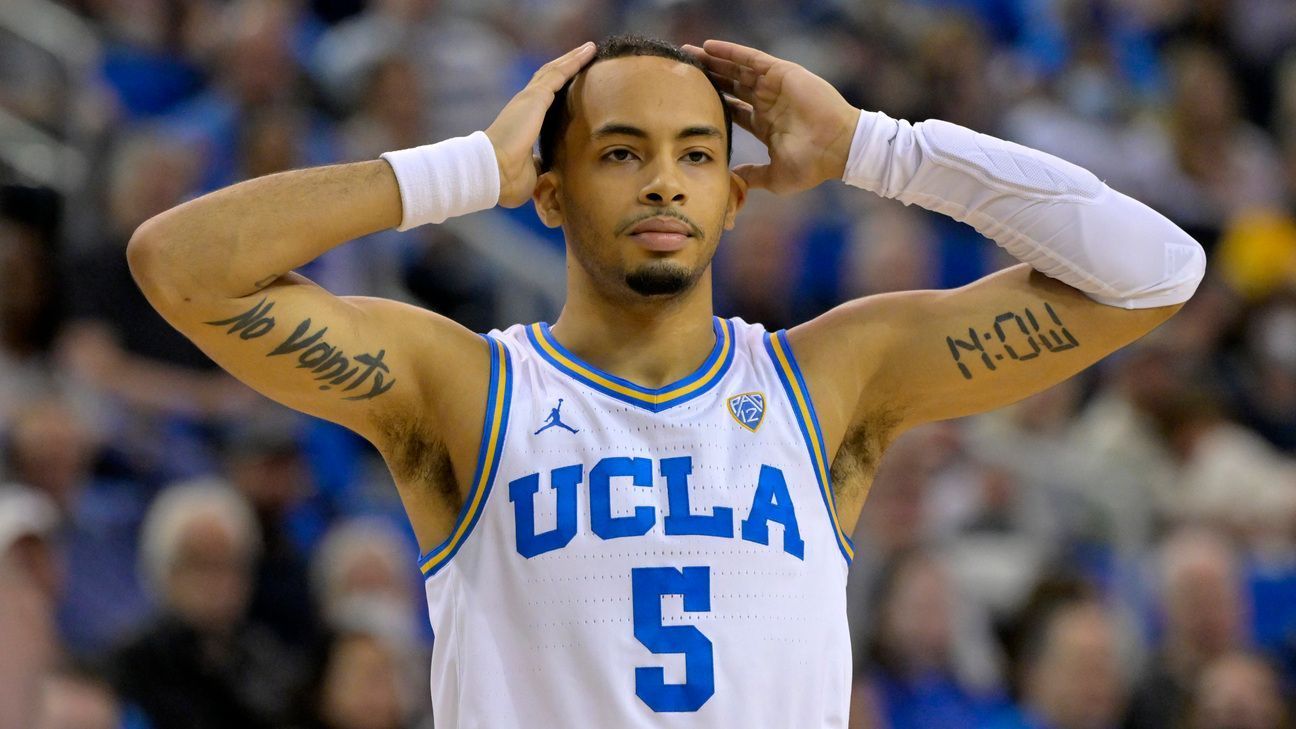
In an interview with ESPN, former UCLA player Amari Bailey, who is seeking NCAA eligibility, stated that he is trying to prove to NCAA officials that he can win college sports. Bailey, known for his tough-as-nails approach to basketball, has been working with numerous college athletes to improve his game and change the perception that he is unable to compete with professional players. Bailey's attorney, Tim Buckley, emphasized that NCAA rules require players to meet specific requirements, such as actual and necessary expenses, to qualify for eligibility. However, he noted that NCAA officials have been selective in enforcing these rules, favoring players from overseas leagues and higher-paid professionals. Baker, in a statement, stated that NCAA members have been pushing for the waiver limit to be adjusted to accommodate players who signed professional contracts. However, the association has been slow to respond, and many players have been hesitant to participate in NCAA-sanctioned college sports. Despite the lack of clear guidelines, the NCAA is actively working to enforce its eligibility rules, particularly in the context of European leagues and high-end college teams. The association has adopted a "real and necessary" expense exception, which allows players to play in college sports if they meet the financial requirements. However, many college athletes, including former NBA players like Tez Walker, have expressed concerns about the lack of transparency and fairness in NCAA decision-making processes. Walker, for example, has argued that NCAA policies unfairly favor high-profile players over those who play in more mainstream leagues. The NCAA, in response to Walker's concerns, has proposed a new waiver rule that would require NCAA officials to consider the financial implications of NCAA players signing professional contracts. If the waiver rule is approved, it would likely lead to a significant increase in the number of NCAA-enforced rules, including the waiver exception. Additionally, many colleges and universities have expressed interest in recruiting players who can demonstrate their ability to compete in college sports, as well as their potential to improve their game. Bailey, along with other NCAA members, have been working to address these concerns and advocate for a more inclusive and fair NCAA system. Overall, Bailey's efforts to prove his eligibility to compete for NCAA scholarships have been met with resistance from NCAA officials, and he remains optimistic about the future of NCAA sports.